Greenwell Farms: A Kona Coffee Tradition on the Big Island
A good cup of coffee is one of life’s everyday pleasures—and when we travel, it often becomes an excuse to explore. Sometimes that means finding an excellent coffee shop; other times, it means visiting a farm to see where the coffee comes from, with a tasting conveniently included. On Hawaii Island, better known as the Big Island, a visit to Greenwell Farms has become one of our family traditions. Whenever we return to the island, we make time for another tour and tasting. The coffee is among the best we have tasted, and we have yet to tire of going back.
A little Kona coffee history
Kona coffee takes its name from the place where it is grown: the North and South Kona districts of Hawaii Island. The region’s volcanic soil, elevation, and cloud cover provide favorable conditions for growing coffee. Although coffee is cultivated elsewhere in Hawaii, not all Hawaiian coffee is Kona coffee—the name belongs to this particular growing region.
Coffee’s roots in Kona go back nearly two centuries. In 1828, missionary Samuel Ruggles introduced coffee plants from Oahu, beginning a relationship between Kona and coffee that would help shape the region’s identity. Native Hawaiian and immigrant workers played important roles in developing the industry. Around the turn of the twentieth century, many larger plantations were divided into small family farms, with Japanese immigrant families becoming central to Kona’s coffee-growing community.
The Greenwell family is part of that history. Henry Nicholas Greenwell arrived in Kona in 1850 and became involved in farming and the coffee trade. In 1873, his Kona coffee received recognition at the World’s Fair in Vienna—long before visitors were making the trip to Hawaii to sample it for themselves.
Visiting Greenwell Farms
Today, Greenwell Farms offers free guided tours and complimentary coffee tastings at its farm in Kealakekua. The standard tour lasts approximately 45–60 minutes and introduces visitors to the growing and processing of coffee, with samples available both before and after the tour. No reservation is required for the regular free tour.
For us, it is a chance to revisit a familiar place, see the work behind something we enjoy every day, and, of course, drink some very good coffee. We recommend making it a stop on your Big Island itinerary.
Information about Greenwell Farms can be found here:
https://www.greenwellfarms.com/

From the nursery to the roasting room
The photographs below, taken during our visits over the years, follow some of the stages along the way.
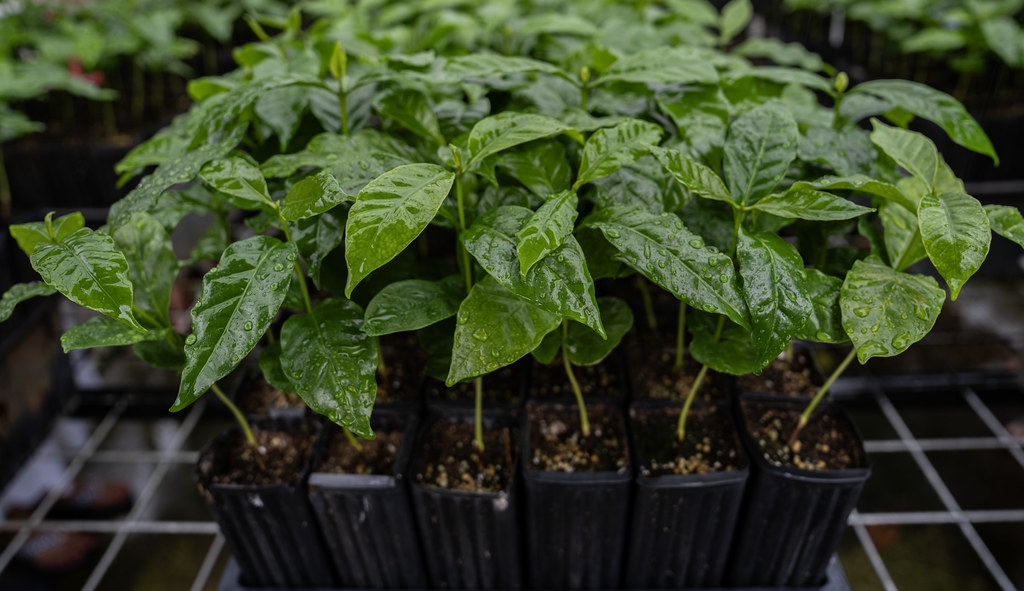
The nursery, where the next generation of coffee trees gets its start:
Mature coffee trees on the farm:

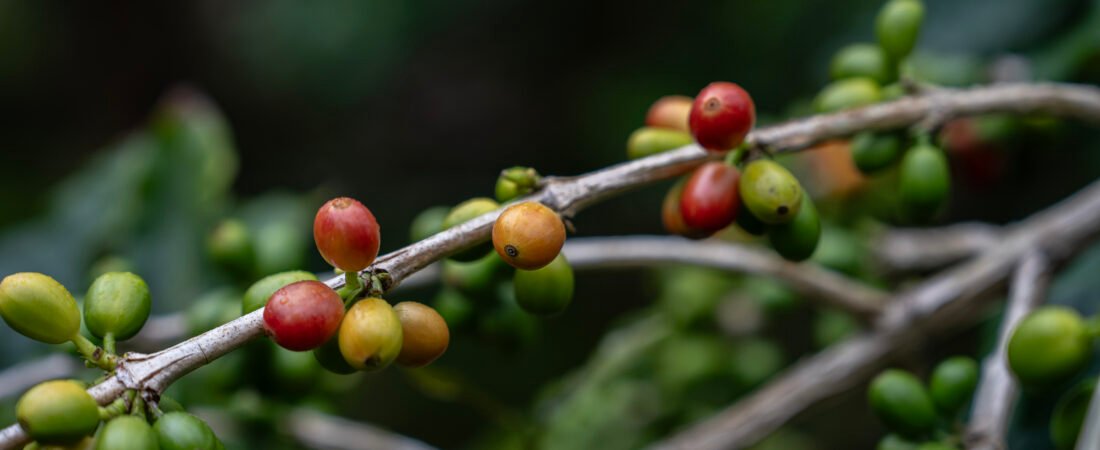
Coffee cherries growing on the trees:

There is quite a journey between the fruit on the tree and the roasted coffee we recognize. At Greenwell, the processing includes removing the fruit’s outer layers, drying the beans, and milling them before roasting. Seeing the different stages gives a better sense of how much work goes into each cup.
Coffee beans drying at the farm:


Our friend Chai roasting the beans:


The tasting
And then there is the part that needs very little explanation: sampling the coffee. Learning about the growing and processing is interesting, but tasting the finished product is a particularly enjoyable way to bring it all together.
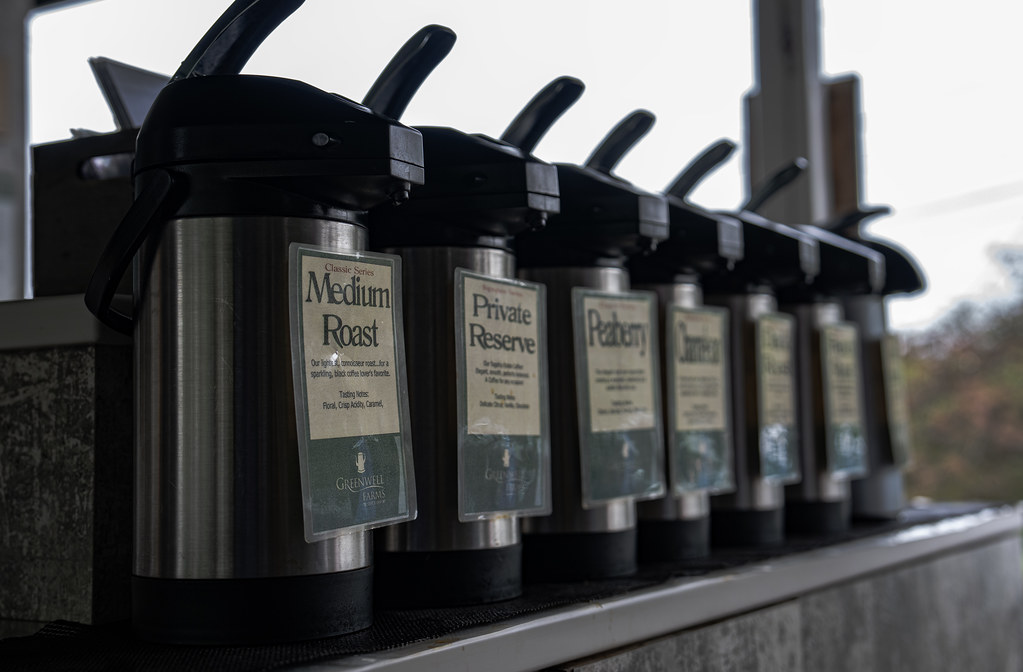
A selection of coffees to sample:
Enjoying a cup of 100% Kona coffee:

Not everything worth photographing at Greenwell is related to coffee. One of the farm’s resident chameleons also made an appearance:

The coffee wasn’t the only highlight of our visit—we also had a chance to feed this saffron finch at the farm:

Some places are worth visiting once; others become part of the reason you look forward to returning. For our family, Greenwell Farms is firmly in the second category. There are certainly worse traditions than going back for another excellent cup of coffee.
More stories from the road
Get the next trip report by email.
Support TravelMacher
If you’ve enjoyed the trip reports and photographs, consider supporting TravelMacher. Your contribution helps cover travel expenses, camera equipment purchases, and the costs of running the site.
Support is optional. Thank you for reading.
Leave a Reply