
Unfinished business has a way of lingering in your mind, a persistent reminder of what is still left undone. I suppose the missing stamps in Darling Wife’s (“DW”) national parks passport book (https://shop.americasnationalparks.org/collections/passport-books) were bothering her so much, that she decided to schlep us back to the desert in summer. Although DW had told me about her desert summer plans while I was either working or spacing out, I found myself wondering – is this really what I agreed to? Let’s be honest—hiking and sleeping in desert heat is pretty miserable.
Part 1 – Planning and Preparation
We passed through Colorado and Utah in past motorhome trips, with the most recent one in 2020, but we never had a chance to visit several national parks in this area. Once again, a motorhome made sense as we’d be moving around a lot and transferring between hotels every day or two is both time-consuming and stressful. A one-way motorhome relocation deal didn’t make sense for our chosen route, but we managed to find an inexpensive option with Cruise America for a 30-foot-long RV priced at $155 per night with 1k free miles. The layout of this RV was the same as the 30 foot long model we rented last year from Cruise America in Montana:

We are generally not fans of Cruise America, but the price difference was significant in the thousands. We took a gamble, and just like before, it came with its fair share of problems. For campgrounds, the choice ones were reserved in advance and others we found along the way.
After booking the RV and locking in some prime campgrounds, it was time to search for flights. I had a stash of Chase Ultimate Rewards points that needed to be used and Delta first-class roundtrip ended up being the most affordable first-class option. While I would’ve preferred lie-flat seats, none were available on this route—likely because it’s a relatively short flight. I was also disappointed to learn that domestic Delta first-class doesn’t include lounge access, which I had been counting on. To make matters worse, I didn’t bring all of our Amex cards that could’ve gotten the five of us into a lounge. Live and learn, I guess.
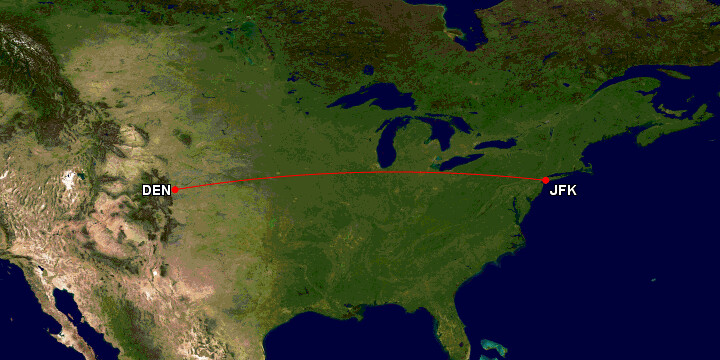
Once we arrived at the Denver airport, we had to arrange transportation to nearby Frederick to pick up the RV. In the past, I had luck with an inexpensive one-way car rental from Enterprise (using a corporate code), but there was no option for a one-way rental at the local Frederick Enterprise location. Instead, we were forced to take a pricy taxi. Some you win, and some you lose. Our RV pickup was uneventful, except for a mistake that I should have known better than to make.
I generally check all of the major systems of the RV at pickup, but neglected to check if the interior electrical outlets were working. We first realized there was an issue when we pulled into our first campground for the evening, when none of the electrical outlets worked. Since it was quite late at that point and we were exhausted, I decided to deal with the problem on the following day. Normally, if the electrical outlets don’t work, it’s a simple fix to reset the bathroom GFCI outlet. However, that didn’t work and it felt as if the reset button was broken. Since I had spotty cell phone service, and we were hours away from Cruise America, it would have messed up our trip if we had to drive back to Denver for them to fix the issue. Instead, I resolved to deal with it on my own. At the next campground, I inquired if they had anyone that could look at the problem, and another camper offered to help. I showed him the GFCI outlet with the broken reset switch, which he forcefully jabbed back to life. Apparently, sometimes violence is the answer. At the end of the day, we were compensated for the inconvenience by Cruise America with a few free nights.
Part 2 – Searching for the Ancients in Mesa Verde National Park
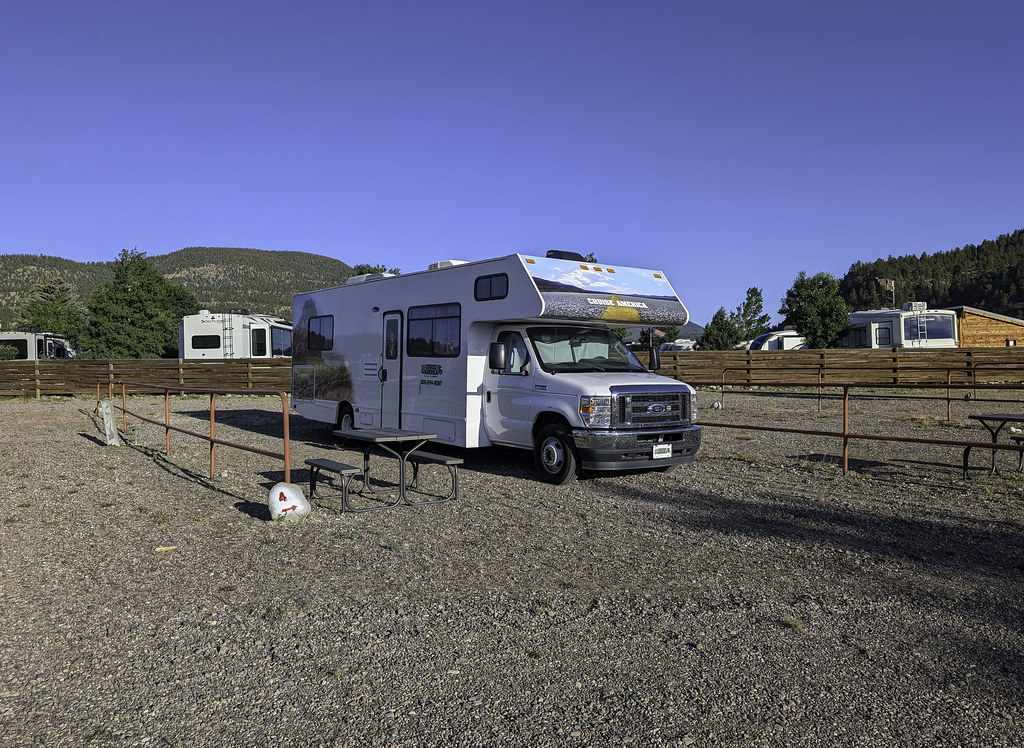
For our first night, I drove just about as far as I was able, and we ended up at the Alpine Trails RV Park in South Fork, Colorado. There is nothing spectacular about this particular RV park but it served its purpose. Information about Alpine Trails RV Park can be found here:
https://alpinetrailsrvpark.com
Our spot for the night:
The following morning, we headed over to Mesa Verde National Park, which is famous for its well-preserved cliff houses, constructed by the Ancestral Pueblo people approximately 800-900 years ago. These cliff dwellings were built into alcoves high up on canyon walls, and the park service offers guided tours to several of these sites. Mesa Verde was abandoned by the Ancestral Puebloans sometime during the 1200s due to drought.

Information about Mesa Verde National Park can be found here:
https://www.nps.gov/meve/index.htm
At Mesa Verde, we opted for a three-night stay at the Morefield campground, located inside the national park. Information about this campground can be found here:
https://www.visitmesaverde.com/lodging-and-camping/morefield-campground
Our campsite:
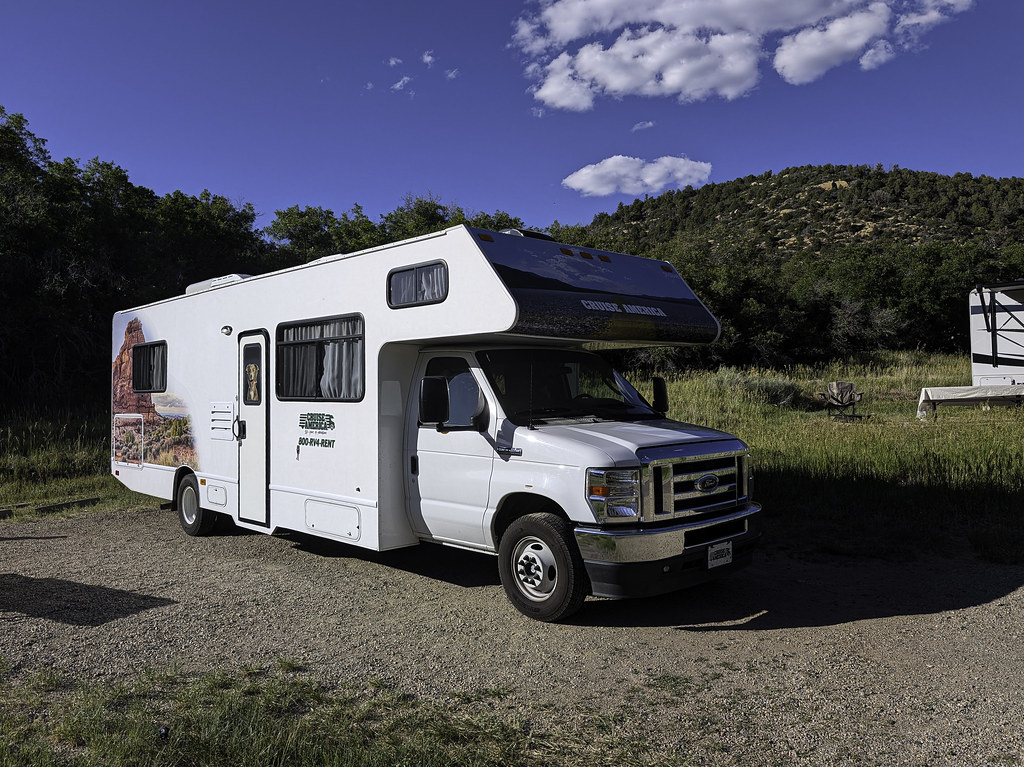
The elevation in Mesa Verde National Park ranges from about 6,800 to 8,572 feet, with the campground sitting around 7,800 feet above sea level. This meant hot days and freezing nights, though mornings and late afternoons were surprisingly pleasant.
During our first full day at Mesa Verde, we booked a tour of Balcony House in the morning, and Cliff Palace in the afternoon. You can only visit these sites on a ranger guided tour, and advance reservations are highly recommended. The tours can be reserved here:
https://www.recreation.gov/ticket/facility/233362
The Balcony House tour requires visitors to descend a 100-foot staircase into the canyon; climb a 32-foot ladder; crawl through a 12 foot, 18 inches wide tunnel; and climb up an additional 60 feet on ladders and stone steps. However, the tour was very worthwhile. Photographs taken during our tour of Balcony House:

In the following photograph, notice the dark, smoky stains on the cliff dwelling’s ceiling, which are a result of fires made by the Ancestral Pueblo people for cooking and warmth over 700 years ago.
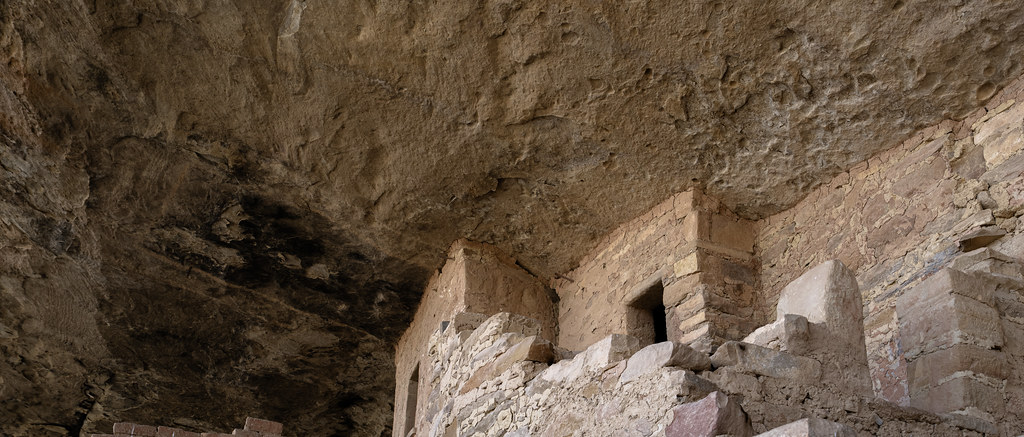
Room with a view.

Ancient wood.

Immediately after our tour of Balcony House, we rushed over for the next tour of Cliff Palace (If you intend to book these tours in one day like we did, we recommend you first take the Cliff Palace tour followed by the Balcony House tour):

Cliff Palace was constructed with multiple floors:

On the following day, we visited Long House, accessed via a steep 12-mile winding road. Since vehicle length is restricted to 25 feet or less, we rented a car for the day from Rentz, which worked out perfectly. They even delivered the car to our campsite and picked it up at the end of the day. Information about Rentz can be found here:
Long House is nearly equal in size to Cliff Palace with about 150 rooms, 21 kivas, and a row of upper storage rooms. It is estimated to have housed 150 to 175 people.


Mesa Verde National Park has no streams or rivers, so seeps and springs were the primary sources of water for the Ancestral Pueblo people who lived there. Here is a seep spring, which accumulated water through rain. The rain seeped through the porous sandstone from above to the impermeable shale rock below, where it accumulated:

Part 3 – Kitschy Kitsch & It’s Fake – Four Corners Monument
If you’re in the area, and are interested in kitschy kitsch fake stuff, make sure you visit the Four Corners Monument. The Four Corners Monument, located on the Navajo Indian Reservation, is where four corners of four states meet – Utah, Arizona, Colorado, and New Mexico. The Navajo constructed a “monument” where you can sprawl out for a touristy picture. In addition to the monument, there are a number of souvenir stalls selling all sorts of Navajo crafts. At the time of our visit, the admission fee was $8.00 per person.
What they don’t tell you, however, is that the monument is not located at the geographically accurate site of the four corners. The real four corners is a nondescript area about 1,807 feet to the west. So, they just faked it – and everyone has accepted the geographically inaccurate site as the official Four Corners. Since it was insanely hot outside, we didn’t bother walking to the “real” four corners, and only took photos at the fake site. Information about the Four Corners Monument can be found here:
https://navajonationparks.org/tribal-parks/four-corners-monument
Photographs at the site:


Part 4 – Braving the Heat in Canyonlands National Park
We then headed over to Canyonlands National Park, known for its landscape of canyons, mesas, and buttes, sculpted by the Colorado and Green Rivers.

Information about Canyonlands National Park can be found here:
https://www.nps.gov/cany/index.htm
DW booked us a stay at Needles Outpost Campground, located just outside the entrance to the Needles District of Canyonlands National Park. You can find more information about the campground:
https://www.needlesoutpost.com
Although Needles Outpost Campground is conveniently located in a beautiful area, it lacks RV hookups, so you’ll need to be somewhat self-sufficient. That said, the campground does feature clean bathrooms with paid showers and a surprisingly well-stocked camp store. Camping here in the fall or spring would likely be a great experience, but summer is a different story. During our stay, evening temperatures remained in the 80s, making for an uncomfortable night. I barely slept, hesitant to run the generator and AC all night due to Cruise America’s recommendation to limit generator use to four hours at a time. I’d be happy to return—just not in the summer heat.
Our campsite among approximately 700-year-old trees:

Campfire cooking:

We waited until the early evening to begin exploring the park when the temperatures cool down a bit. Our first stop was Confluence Overlook Trail:

Can you spot the second kid in this picture:

Making the magic happen:

Afterwards we hiked the Pothole Point Trail:


Later that night, I took a photograph of the RV under the Milky Way:

In the morning, I walked over to the camp store to chat with Caleb, the campground’s owner. We hadn’t had much time to talk when we first arrived, and I was curious to get to know him better. Caleb lives entirely off-grid at the campground. Solar panels and batteries power both the camp store and his trailer, while all water must be hauled in and trash hauled out. There’s no landline, cell service is spotty, and internet access relies on satellite. In his free time, Caleb hunts, fishes, and explores the BLM trails outside the national park on his side-by-sides. I truly admire his lifestyle—quiet, self-sufficient, and mostly removed from the insanity of the modern world. As we chatted, the conversation turned to ATV tours. Caleb mentioned he was thinking about offering them in the future. On a whim, I asked if he’d be willing to take us out that morning—and to my surprise, he agreed. Despite the triple-digit heat, I wasn’t too worried. I figured we wouldn’t be doing much walking, and we had a cooler packed with ice-cold drinks to keep us going. We all probably drank our body weight in fluids on this tour.
Caleb drove one side-by-side with DW and my older kids, while I drove the smaller side-by-side with my son. DW didn’t trust me to drive the large side-by-side with three passengers, and left the boys to fend for themselves. We headed out on the Shafer Trail, named after a pioneer family of settlers. The trail was narrow, sandy, rocky at points, fluid at times, crossed dry creek beds, and seemed to completely disappear at other times.
At one point I got stuck in the sand while trying to climb a hill. Caleb deflated the tires a bit and coaxed the side-by-side up the hill:

Driving along a dry creek bed:


We stopped to view the remains of a crashed missle. Caleb didn’t know who launched this missile, and my searches on the internet were inconclusive:


Taking a much needed break to rehydrate:

We next stopped to visit an abandoned uranium mine – I should have brought my Geiger counter:

We then visited the site of Ancestral Puebloan cliff houses in the area:
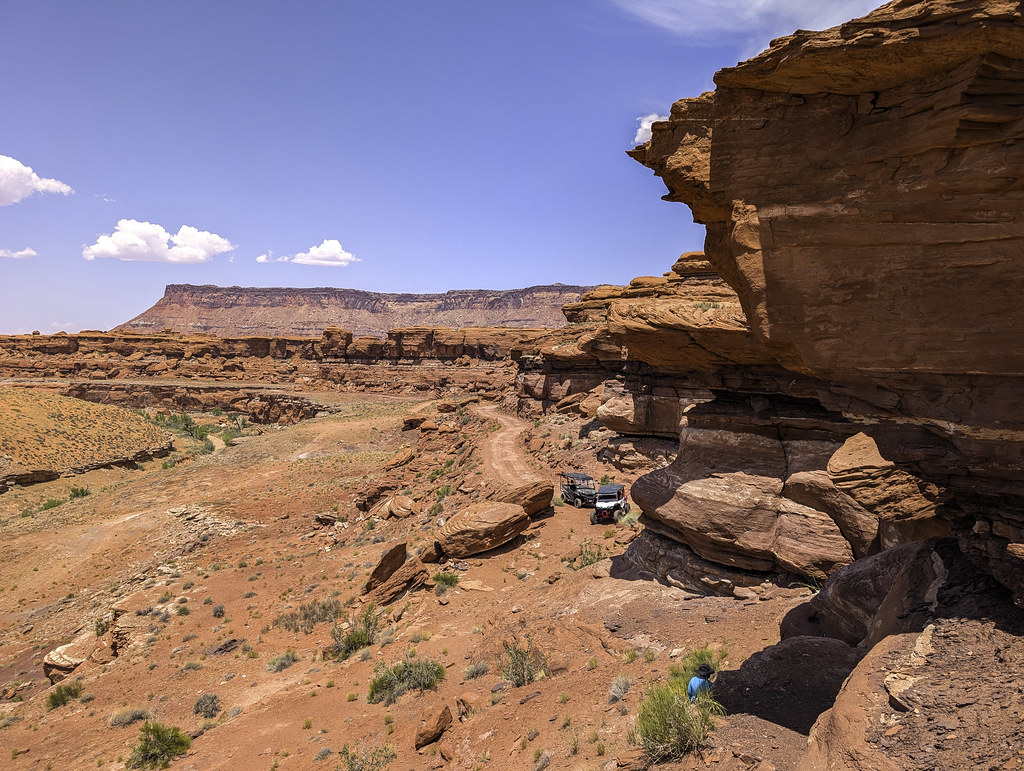
Look closely and you can see the layers of bricks of the cliff house:
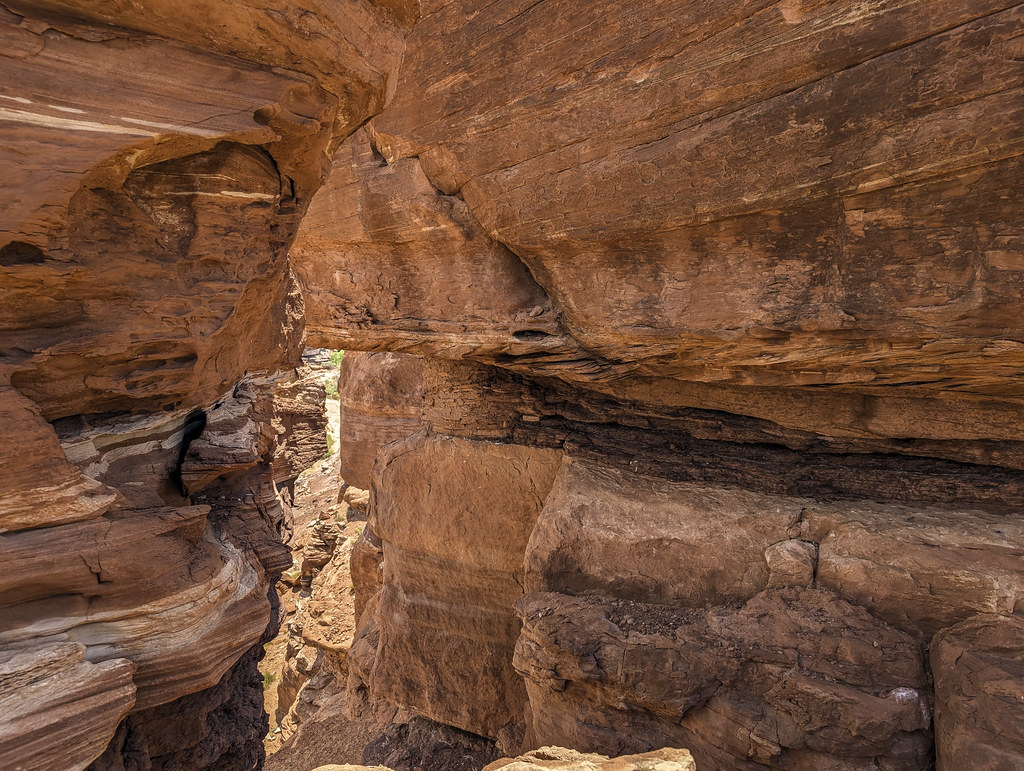
View from the other side:

Caleb also took us to a spot with fossils embedded in the rock:

I wish we had more time to explore, but sadly we had to go. On the drive back to the campground, my side-by-side felt off. It was revving and not shifting into higher gears. At some point a warning light came on and I had to shut it down. Caleb drove DW and the older kids back to the campground and came back to get me and Little One in his truck. Caleb seemed to think it was a faulty neutral safety switch, and hopefully that’s all it was. I am hoping to return to visit Caleb during milder temperatures, as there are still many areas I’d like to explore.
Part 5 – Moab & The 67-Year-Old Bar Mitzvah Bochur
Our next destination was Moab, which is centrally located to exploring the Island In The Sky District of Canyonlands National Park and Arches National Park. Of course, don’t forget the insane off roading that Moab is known for. We booked a stay at the Sun Outdoors Moab Downtown Campground, information about which can be found here:
https://www.sunoutdoors.com/utah/sun-outdoors-moab-downtown
Our campsite:

There’s usually something going wrong with an RV, and this day was no exception. While hooking up the campground’s water supply to our RV, I ran into a problem with a leaky hose. After disconnecting and reconnecting the hose to the spigot, the entire valve suddenly popped off the campground’s water pipe—instantly turning into a geyser shooting water sky-high. Apparently, the valve hadn’t been properly secured in the first place. The camp store was closed, and there was no one around to ask for help. I tried to force the valve back into place, but the pressure from the water made it impossible. Fortunately, my next-door neighbor came to the rescue. Somehow, he managed to wrestle the valve back in and tighten it down—saving the day.
But, as it turns out, meeting my neighbor was meant to be, and this is how ‘ה brought us together. He mentioned that his mother’s mother was Jewish, and I told him “That makes you a member of the tribe.” A day or two later, I felt inspired to do something I had never done before – something that a Chabadski would do. I kept thinking there was a reason why we were campground neighbors and how he came over to help me with the geyser. I asked my neighbor if he had a bar mitzvah, and he said no. He was open to it, so I offered to help him put on tefillin—and at the age of 67, he had his bar mitzvah. Afterwards, I messaged Alex P.—a diehard Chabadski—knowing he’d appreciate the story. For those who’ve followed my trip reports, you might remember Alex: he hosted us for two Shabbosim during our visit to São Paulo last summer. Alex replied, “Wow. So now you know the reason you came to Brazil and ate Shabbos by me,” and added, “If not for the Rebbe, you wouldn’t even think about the idea of putting tefillin on someone else.” I’m not entirely sure I agree with Alex—but I’m glad the story brought him joy.
Part 5a – We Didn’t Die Doing Insane Off Rock Crawling
Moab is world-famous for rock crawling, home to legendary trails like Hell’s Revenge—featuring iconic obstacles such as the Escalator and Mickey’s Hot Tub. As someone who’s been watching off-roading videos for years, hitting these trails is an absolute must when visiting Moab. While researching tour companies, DW kept coming across one name: Dan Mick’s Moab Jeep Tours. It turns out Dan Mick isn’t just a guide—he’s a trailblazing pioneer who helped create some of Moab’s most iconic routes. In fact, Mickey’s Hot Tub is named after him. Information about Dan Mick’s Moab Jeep Tours can be found here:
Our guide was Robbie, one of Dan Mick’s sons, and he was an amazing guide. Robbie even picked us up at the campground, so we didn’t have to take the RV out. We booked a tour in one of their “Jeepousines” (two Jeeps welded together, seating up to five adults). This is the start of the rock crawling adventure:

And then it became progressively crazier:
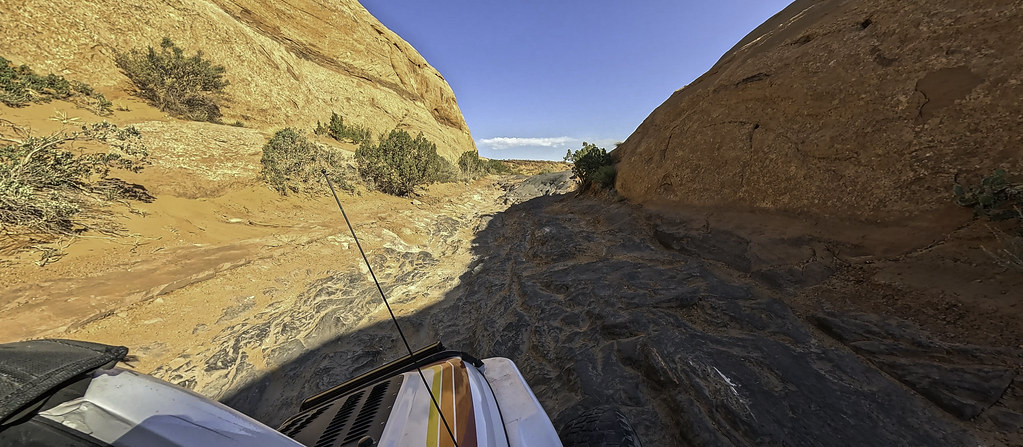
Descending into Mickey’s Hot Tub:
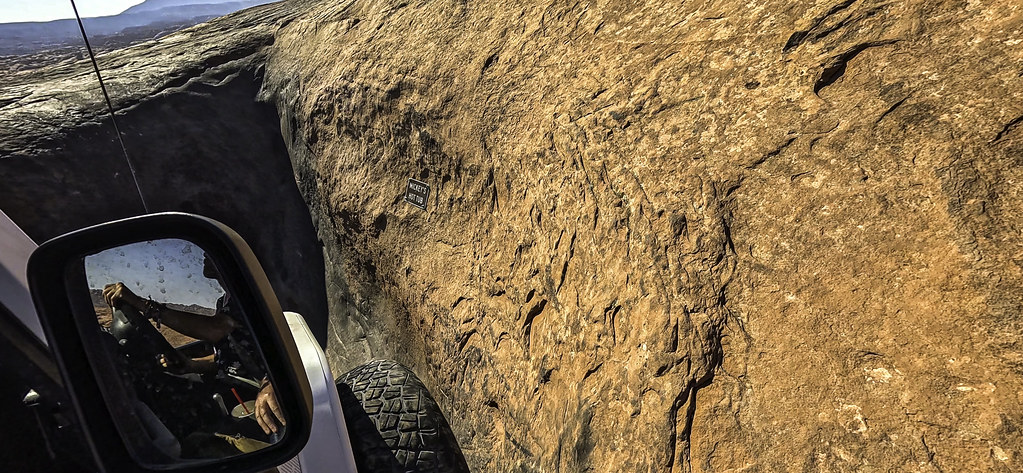
Coming out:
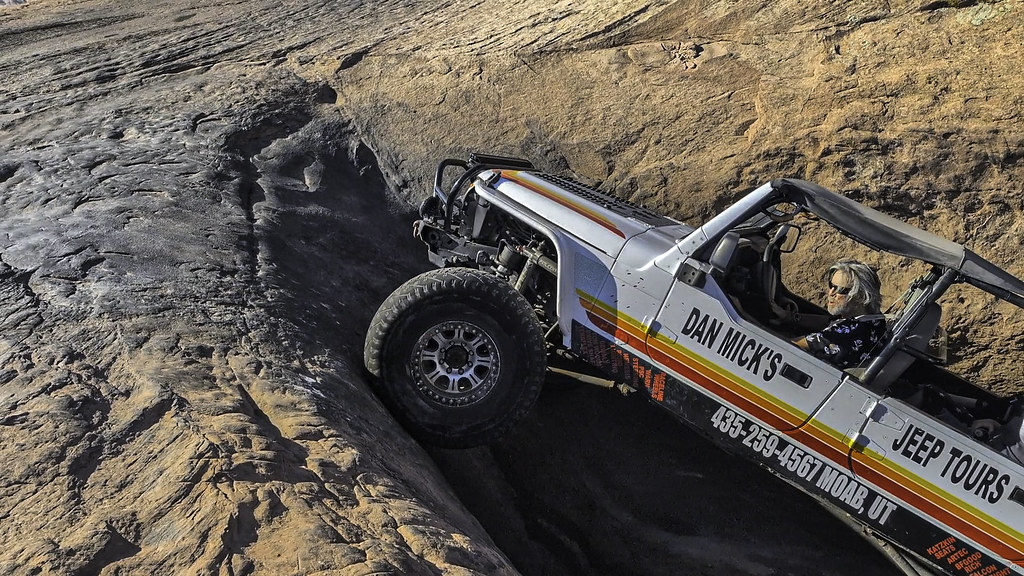
On the way to the Escalator:

The famous Escalator:

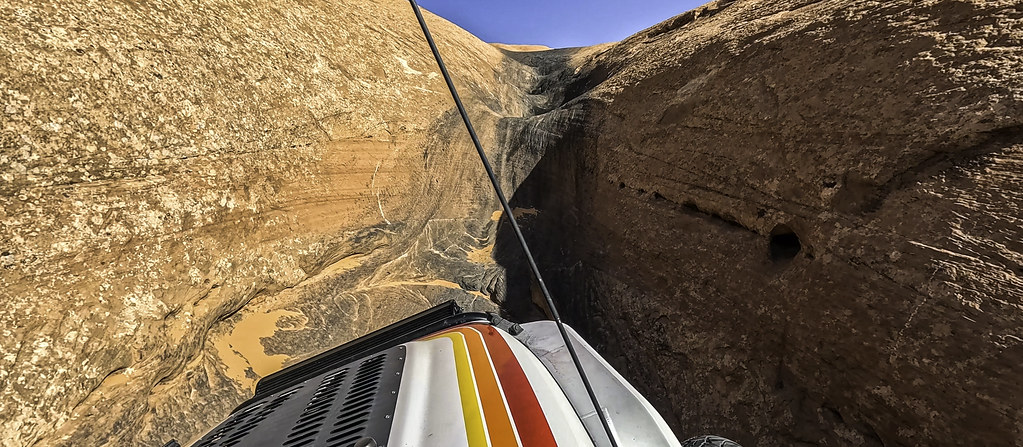

And then we headed back:


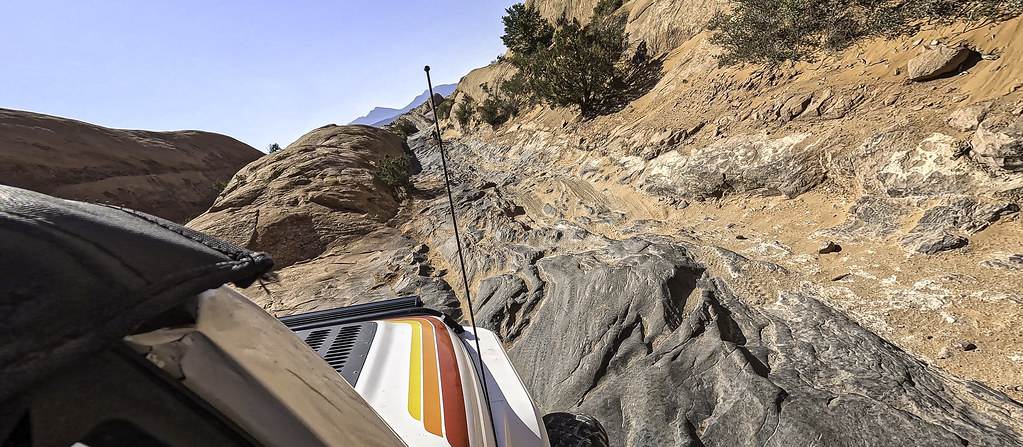
As we were headed back, Robbie asked each of us what our favorite part of the tour was. I liked the Escalator, while DW, Oldest Kid, and Middle Kid liked the “Rollercoaster” (where Robbie rolled the Jeep down obstacles without braking). Little one said his favorite part was that “We didn’t die.”
Part 5b – Enjoying Views at the Sky District of Canyonlands National Park
After our insane rock crawling tour, we explored the Island In The Sky District of Canyonlands National Park. We stopped at Grand View Point Overlook, where you can see miles of canyons:


And then visited the Green River Overlook:


Part 5c – Arches National Park
We then turned our attention to Arches National Park, which we somehow never had a chance to visit. Information about Arches can be found here:
https://www.nps.gov/arch/index.htm

During the peak summer season, Arches National Park now requires you to reserve a timed entry ticket, information about which can be found here:
https://www.nps.gov/arch/planyourvisit/timed-entry-reservation.htm
A workaround to timed entry, which allows you to come and go as you please, is to book a stay at the Devil’s Garden Campground located inside the park, which is what we did. Information about Devil’s Garden Campground can be found here:
https://www.nps.gov/arch/planyourvisit/timed-entry-reservation.htm
Despite the heat, we explored the Double Arch Trail:

We then hiked the Balance Rock Trail:

Afterwards, we decided to wait out the mid-day heat before venturing out again. To pass the time, we made our way to Devil’s Garden Campground, only to discover that our reserved campsite was already occupied. We flagged down a campground employee, who directed us to wait in a less-than-ideal spot right off the road while they sorted things out. Trying to stay optimistic, I joked to the ranger, “I’ll give them the benefit of the doubt – maybe they’re dead or something.” But, that wasn’t the case. Eventually, the campers returned and casually claimed they had “forgotten” they were supposed to check out that day. We lingered for a while watching them pack out, while I gave them the extreme stink eye. Despite sitting at an elevation of around 5,200 feet, Devil’s Garden was still surprisingly warm. With no hookups available—and after the fiasco we’d dealt with at Needles—I told DW there was no way I was staying there. Instead, we made a last-minute decision to book a third night at Sun Outdoors Moab Downtown Campground.
Later that afternoon, when the temperatures had cooled slightly, we set out on the moderately challenging hike to the iconic Delicate Arch. The effort was more than worth it—the view was absolutely stunning:

Part 6 – Colorado National Monument
Our next destination was Colorado National Monument, a scenic 23-mile Rim Rock Drive offering numerous overlooks and hikes. Information about Colorado National Monument can be found here:
https://www.nps.gov/colm/index.htm
We quickly discovered that the national monument wasn’t exactly RV-friendly—there were very few places to pull over with a 30-foot rig. Still, we managed to find a few spots where we could stop and explore:

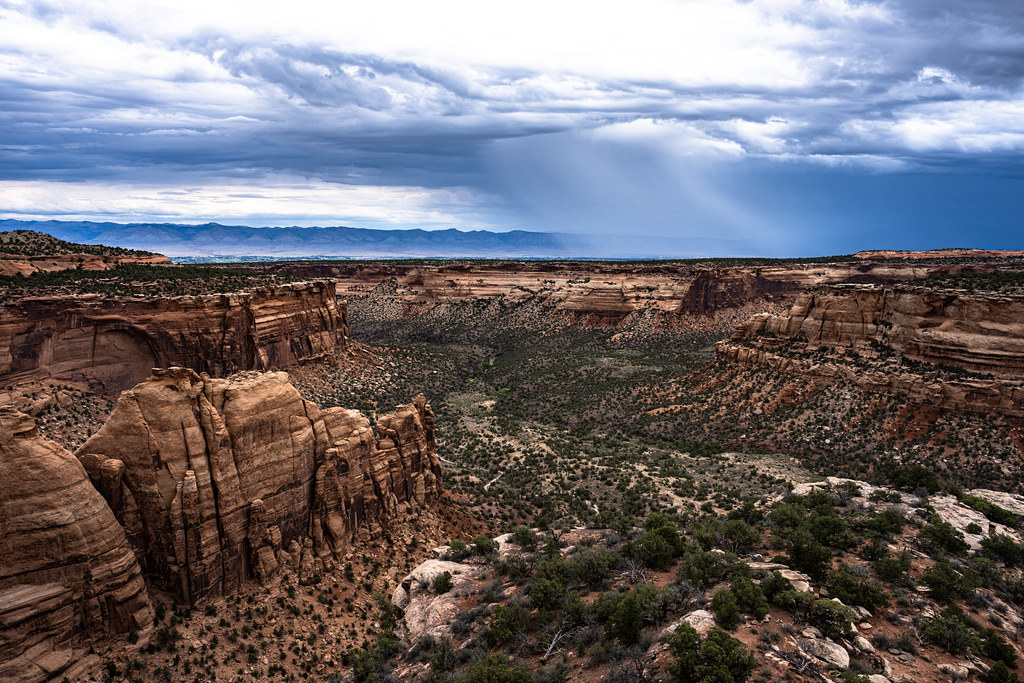
After driving through Colorado National Monument, we spent the night at Highline Lake State Park, staying at the brand-new Sunset Ridge Campground. At the time of our visit, the sites offered water and electric hookups, but no sewer connection yet. While the campground wasn’t anything exceptional, it served its purpose for an overnight stop. You can find more information about Highline Lake State Park Campground:
https://cpw.state.co.us/state-parks/highline-lake-state-park
Our campsite:

Part 7 – Dinosaur National Monument
On the following day, we visited Dinosaur National Monument, famous for the world-renowned Dinosaur Quarry, which contains over 1,500 dinosaur fossils embedded in a cliff face. Information about Dinosaur National Monument can be found here:
https://www.nps.gov/dino/index.htm
We viewed the famous cliff face inside the Quarry Exhibit Hall:


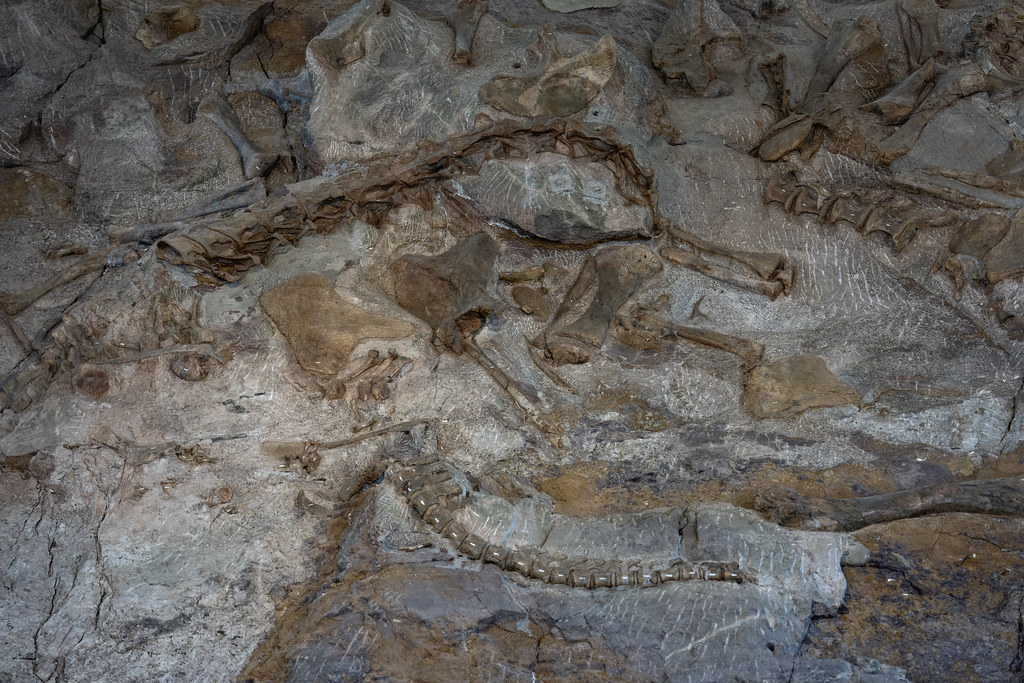

Since it was Friday, we then headed straight to the next campground to prepare for Shabbos. We stayed at the KOA Vernal Utah Campground, located a short distance from Dinosaur National Monument. Information about this campground can be found here:
https://koa.com/campgrounds/vernal
Since we were staying for Shabbos, we opted for a larger campsite at the rear of the campground. Our campsite:
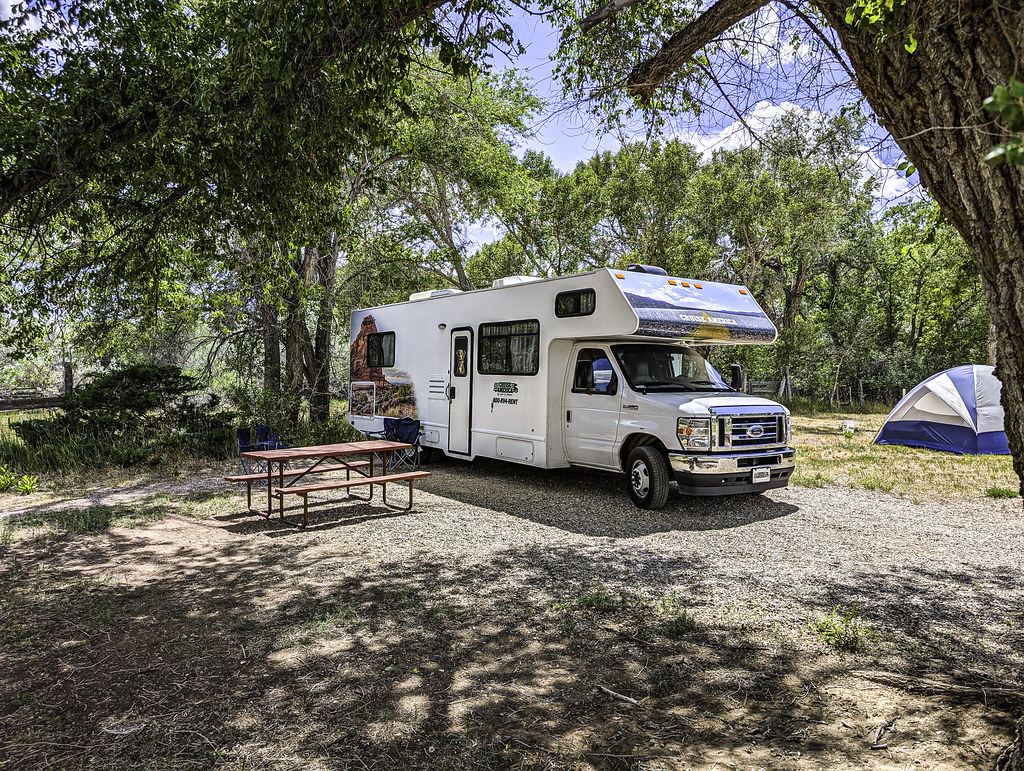
Shabbos Mode:

Part 8 – Soaking at Hot Sulphur Springs, Colorado
On Sunday, we checked out of the KOA Campground and set out toward the final destination of our trip: Rocky Mountain National Park. Along the way, we saw a sign for Hot Sulphur Springs Resort & Spa and decided to stop for a quick soak. While the springs themselves weren’t anything particularly remarkable—and we likely wouldn’t have gone out of our way to visit—they were conveniently located along our route. That said, it was still a relaxing break and a nice way to unwind in the natural mineral waters, even if we ended up with some rowdy hillbilly neighbors.
You can find more information about Hot Sulphur Springs here:
https://www.hotsulphursprings.com
Hot Sulphur Springs features twenty-two pools (not all are always open) with temperatures ranging from 98°F to 112°F. There are nine pools designated for kids under 12, with the rest reserved for guests 12 and older. Thanks to the large number of options, we had no trouble finding empty pools to relax in—many offering views of the surrounding mountains. The hot springs have a distinct sulfur smell, though it’s not overbearing. That said, even after showering post-soak, a subtle sulfur scent still lingered for a while.


Part 9 – Rocky Mountain National Park
After our soak at the hot springs, we made our way to the KOA Grand Lake Campground right outside Rocky Mountain National Park. Information about this campground can be found here:
https://koa.com/campgrounds/grand-lake/?utm_source=google&utm_medium=organic&utm_campaign=gbp
Photographs from the campground:

The next day, we set out to explore Rocky Mountain National Park. We found the park to be not very RV-friendly, with limited areas offering enough space to pull over a 30-foot RV. It’s definitely better suited for smaller vehicles. You can find more information about Rocky Mountain National Park:
https://www.nps.gov/romo/index.htm
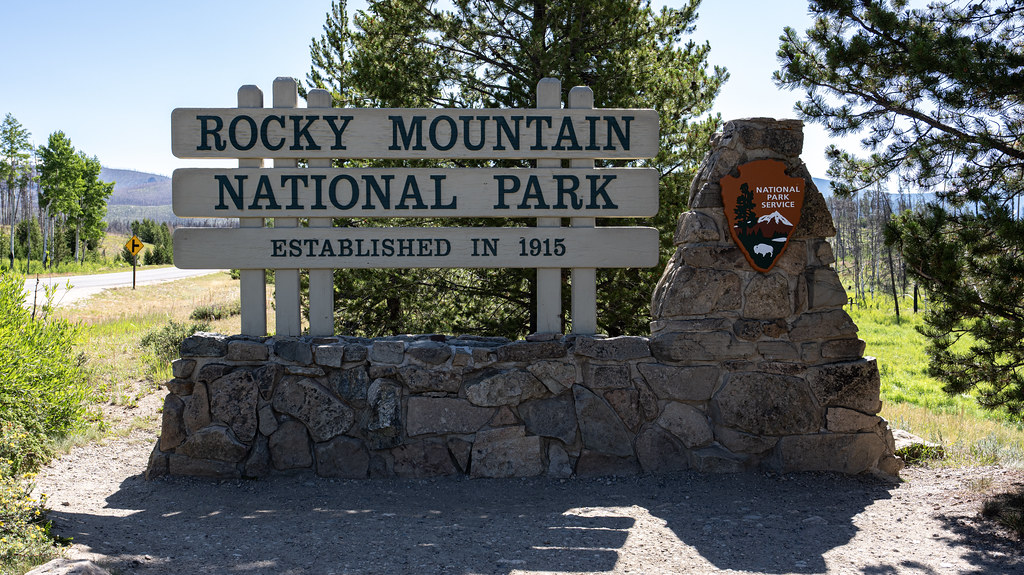
Entrance to the park:
Seeing snow by the side of the road in July was exciting, so we had to stop and play:

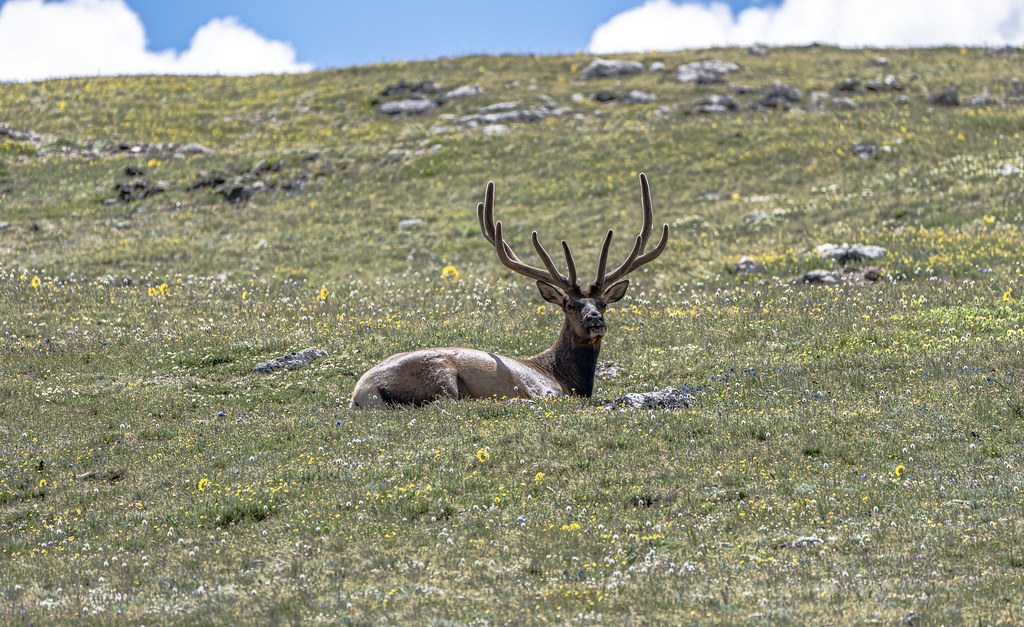
We saw a herd of elk:

And a yellow-bellied marmot:

On our first day in the park, we hiked along the Tundra Communities Trail, where we marveled at the tiny wildflowers that survive in this extreme alpine environment:


Mountain views:
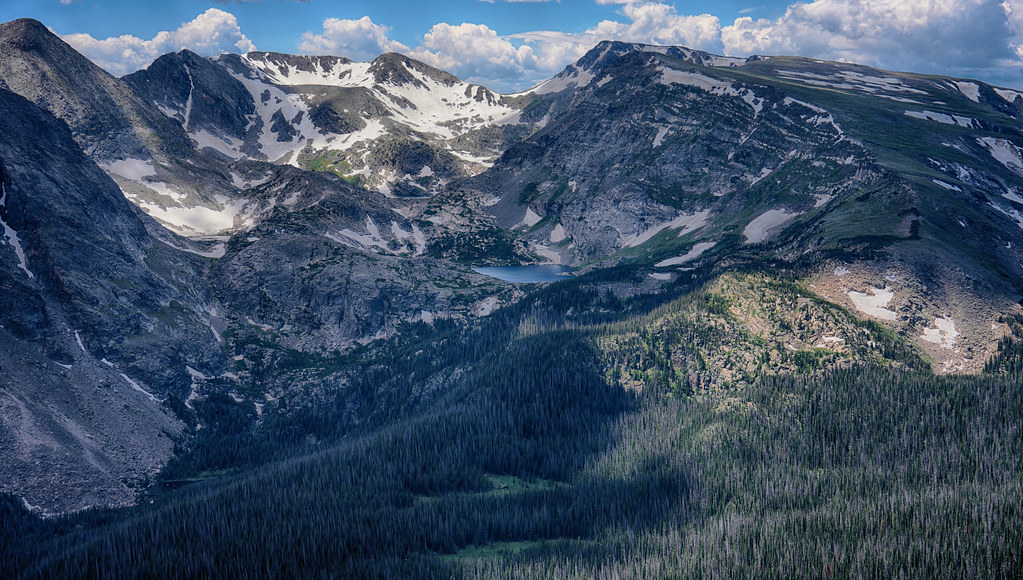

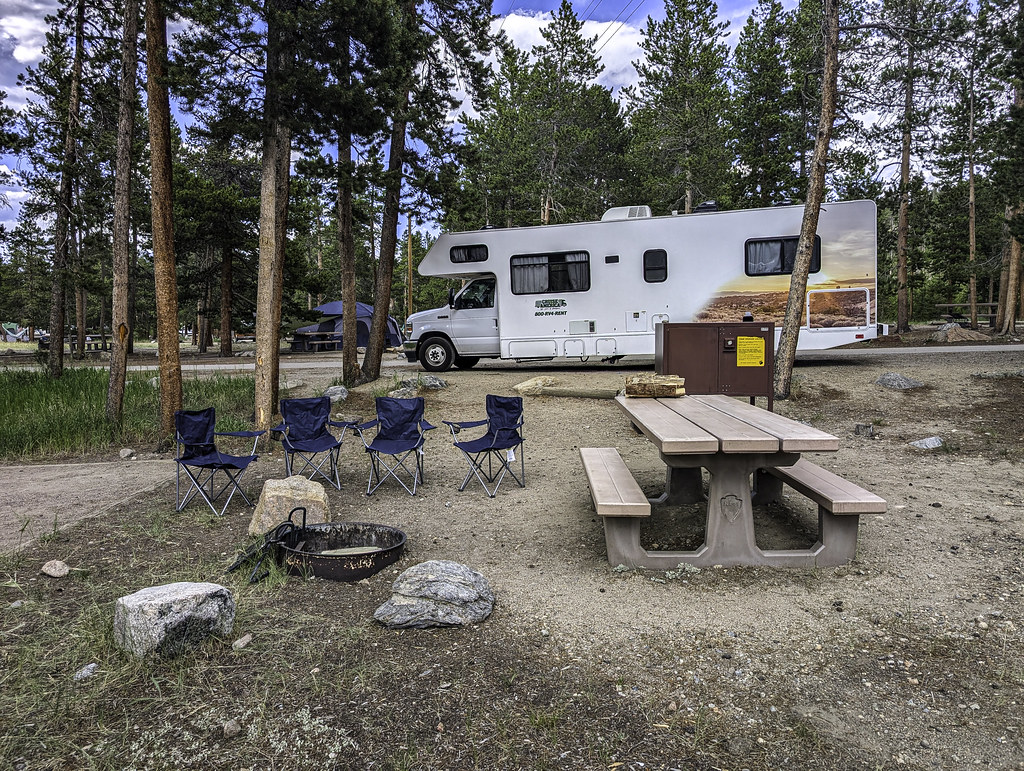
We spent the next two nights at Glacier Basin Campground, located within Rocky Mountain National Park. While there were no hookups, they really weren’t necessary. At an elevation of around 8,500 feet, the cooler temperatures meant there was no need for air conditioning. The campground does offer a dump station and a water refill area, which I made use of several times. That said, the high elevation was a bit of a mixed bag—being unaccustomed to the altitude, I had trouble sleeping and often woke up short of breath. Information about this campground can be found here:
https://www.nps.gov/romo/planyourvisit/gbcg.htm
Our campsite:
The next day, we took the shuttle from the campground to hike to Emerald Lake—a 3.6-mile round-trip trek. Middle Kid wasn’t feeling great and Little One started kvetching, so I resorted to good old-fashioned bribery. I promised Middle Kid a nice souvenir and offered Little One $50 if they could finish the hike without complaining. The moment the deal was on the table, Little One took off running and didn’t utter a single whiny word for the rest of the hike.
Beginning the hike:

Our first stop was Nymph Lake, with beautiful water lilies. This was the most beautiful of the three lakes:
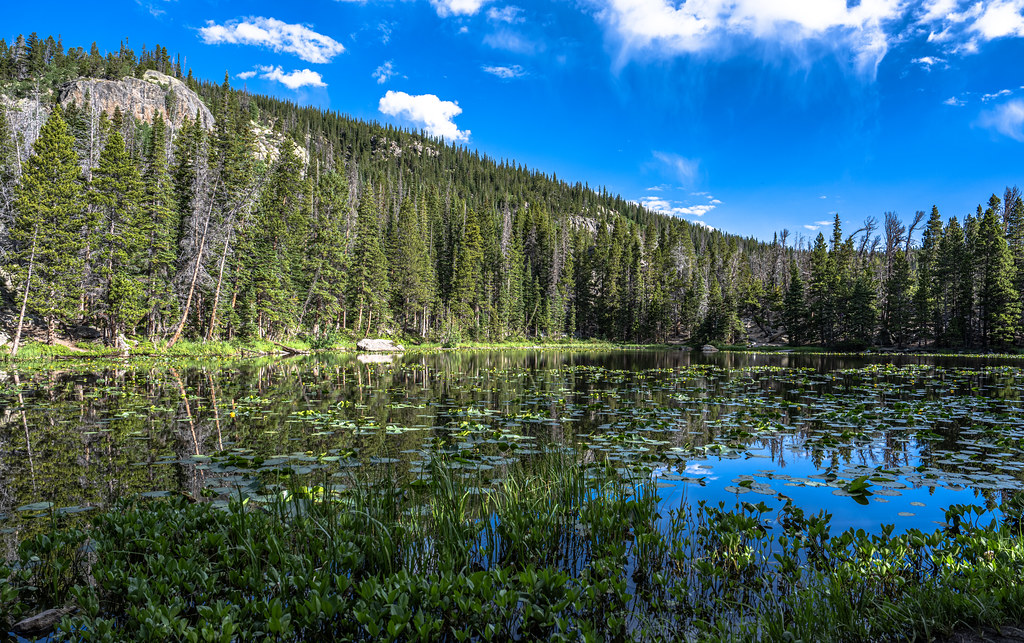

Continuing up the trail and looking down at Nymph Lake:

Next up was Dream Lake:

And finally, Emerald Lake:

When we made it back to the beginning of the hike, I was too tired to walk the short distance to Bear Lake. We then returned to the campground, where we made franks and beans on the camp stove:

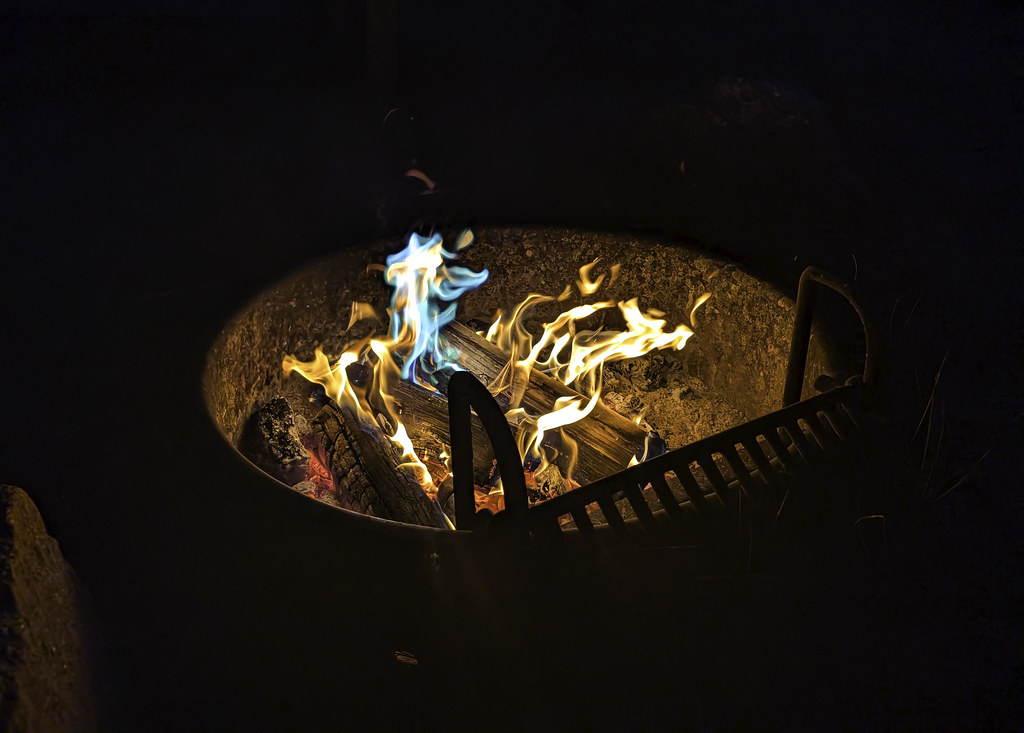
That evening, we added some fun color changing packets (“Campfire Colors” brand) to the camp fire:
Part 10 – Long Way Home
The following day was our last full day for this trip. We packed out of the Glacier Basin Campground and made our way back towards Denver, with an overnight at the St. Vrain State Park. We chose this particular campground as it was fairly close to where we needed to return the RV the next morning. Information about this campground can be found here:
https://cpw.state.co.us/state-parks/st-vrain-state-park
Our campsite:
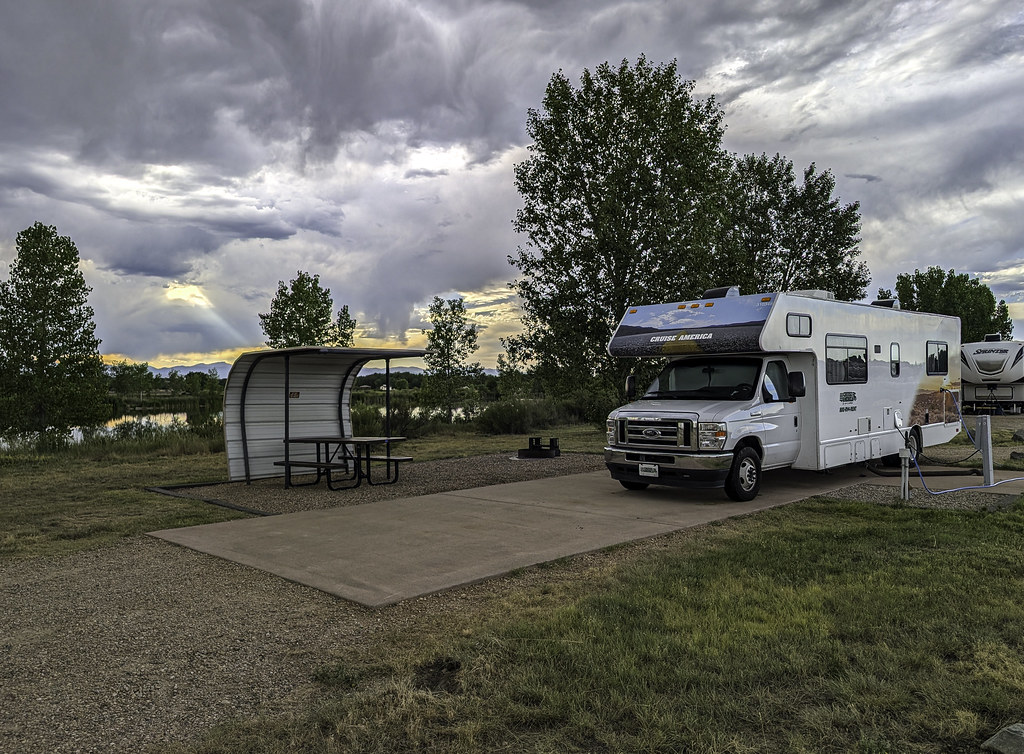
In the morning, we made our way back to Frederick to return the RV. Once again, I couldn’t find a one-way rental so I reserved a taxi for 3-hours, so we could stop at Brooklyn Pizza for lunch on the way back to the airport.

Part 10 – By The Numbers
Miles driven in the RV – 1625
Gallons of gasoline used – 161.63
Average miles per gallon – 10.05
Total cost of gasoline – $535.15
New National Parks visited – 4
Thanks for reading and we hope you enjoyed this trip report.
Aloha
Keep exploring

Into the Volcano: Fire, Ice, and a Camper Truck Across Iceland (2015)
A camper-truck journey through Iceland took us inside a volcano, across a glacier by super jeep, past waterfalls and ancient icebergs, and…
Tiny Wings, Grand Views: An Arizona Family Adventure (2015)
From the Grand Canyon and ancient pueblo ruins to lava fields and the brilliantly colored landscapes of Petrified Forest, our return to…
Wild West Adventures: Exploring Idaho, Montana, & Wyoming by Motorhome (August 2024)
From lava fields and nuclear history to fly-fishing on the Snake River, Yellowstone geysers, Old West towns, and sapphire hunting, our family…
More stories from the road
Get the next trip report by email.
Support TravelMacher
If you’ve enjoyed the trip reports and photographs, consider supporting TravelMacher. Your contribution helps cover travel expenses, camera equipment purchases, and the costs of running the site.
Support is optional. Thank you for reading.
Leave a Reply